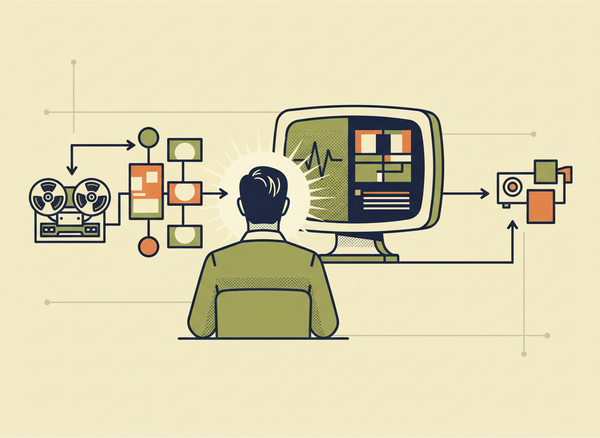
THE STRANGE FOCUS TRICK
Why looking away from the screen helps you work longer

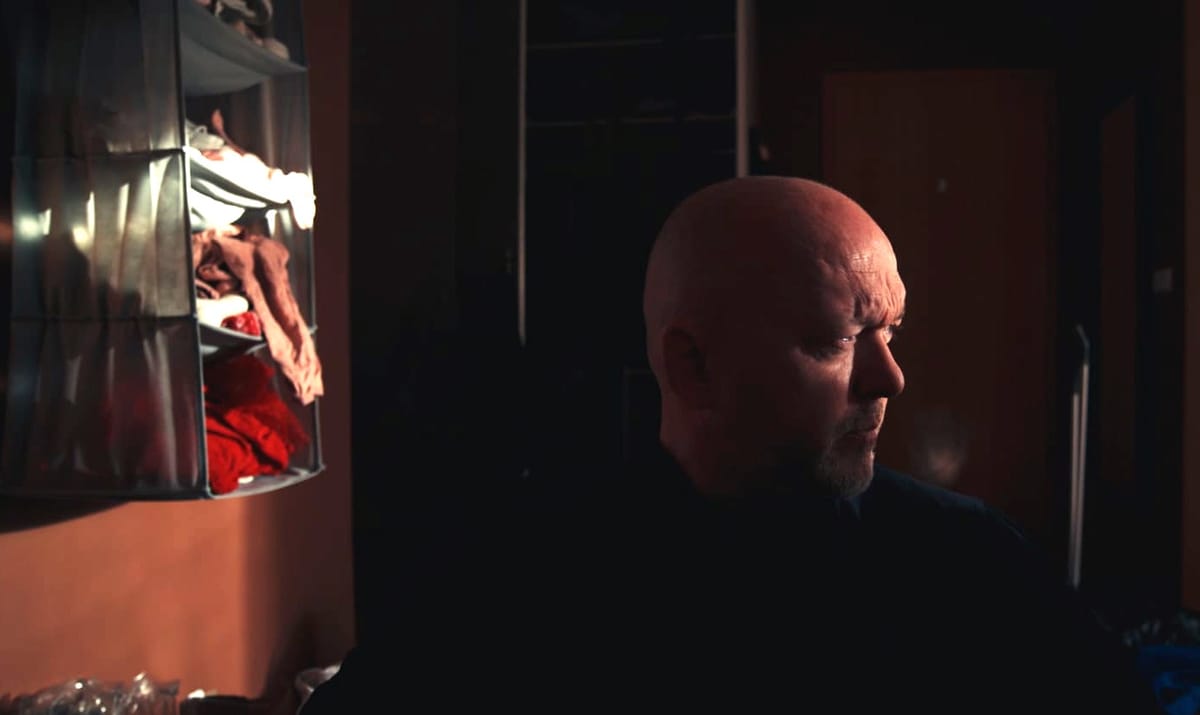
Here is something counterintuitive: the less you look at the screen, the longer and better you can work. When you look slightly to the side and type without constantly seeing the text, your focus becomes steadier, your energy lasts, and your mind stays calm. When you stare at the screen and read every word as you type, your focus drops much faster. This reveals something important about how attention works: you found a way to separate doing from interpreting.
VISION IS THE LOUDEST SENSE IN THE BRAIN
A large part of the brain processes visual input. Seeing is not passive; the brain keeps interpreting, judging, predicting, and comparing. When you stare at text, the brain does more than read letters:
- Words trigger associations
- Associations trigger memories
- Memories trigger emotion
- Emotion triggers internal narrative.
What feels like “reading an email” becomes mental simulation of people, tone, context, and consequence. Looking away removes the brain’s largest input channel and the mind quiets.
TWO BRAIN MODES ARE AT PLAY
Attention tends to shift between two modes: task mode (execution, typing, doing) and reflective mode (storytelling, rumination, social imagination). Looking at text pulls you into reflective mode. Looking away keeps you in task mode. You stay in doing, not meaning.
WORDS ARE EMOTIONALLY CHARGED
Text is rarely neutral, especially if you work with tone, subtext, and people. Your brain treats words as social interaction. Looking away turns language into output instead of conversation. Emotional involvement drops and focus rises.
EYE POSITION INFLUENCES THOUGHT
Staring at a screen locks attention into a stimulus loop. Looking into empty space creates a low-stimulus visual field that tends to feel calmer and more stable. Less input means less reaction.
YOU REMOVE THE FEEDBACK LOOP
Normal loop: Type → See → Judge → Edit → Drift. Looking away: Type → Think → Continue. Fewer interruptions, less drift.
YOU REDUCE COGNITIVE BRANCHING
Looking at text creates chains of thoughts that fragment focus. Looking away keeps thought more linear.
WHAT’S HAPPENING IN SIMPLE TERMS
Looking away prevents visual input from pulling the mind into emotional and associative processing. Attention stays in execution mode, so focus becomes durable.
THE PARADOX
Looking at the work makes you more involved. Looking away lets you do more work.
BLIND DRAFT MODE (SIMPLE METHOD)
- Look slightly to the side
- Type without watching the text
- Check the screen only when necessary
- Return to looking away.
Expected result: longer sessions, less fatigue, less emotional drain, more output. This is deliberate control of attention.